It fails when nobody uses it.
It can have a solid architecture, excellent performance, and very few bugs.
And yet, it can still be a failed project.
Why?
Because users continue working with Excel spreadsheets, emails, phone calls, and manual procedures.
At that point, the problem isn't the code.
It's that we've developed something that doesn't actually solve the problems of the people who are supposed to use it.
The real mistake often happens before development even begins.
A client might say:
“I need a management system.”
“I want this feature.”
“I need to automate this process.”
But a request is not necessarily a need.
Before writing a single line of code, we need to understand how people actually work, where they waste time, what challenges they face, which tools they use, and which steps could be eliminated.
And above all, we need to ask ourselves:
Why are they asking for that particular solution?
In fact, this need existed long before software.
During the Renaissance, Luca Pacioli, by systematizing and popularizing the double-entry bookkeeping method, helped bring structure and methodology to the management of economic activities.
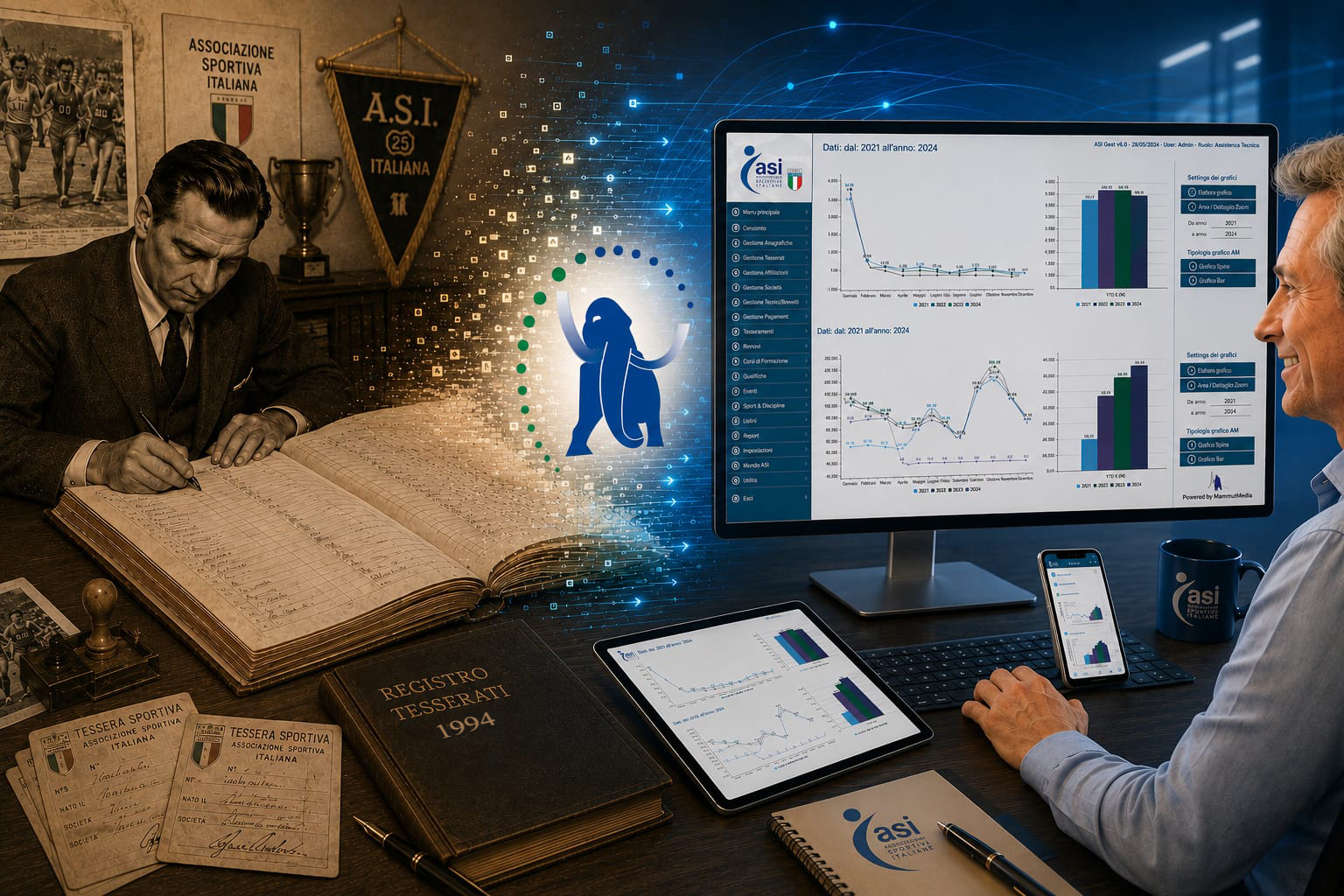
Back then, there were ledgers, tables, and manual controls.
Today, we have ERP systems, databases, automation, dashboards, and Business Intelligence.
The tools change. The principle remains the same: understand and organize processes before managing them.
And this is where UX comes into play.
User Experience isn't just about creating an attractive interface.
It's about designing software that is simple, intuitive, and aligned with the way people actually work.
Because digitizing an inefficient process without rethinking it often means nothing more than turning an existing inefficiency into a digital one.
The real goal isn't to have more features.
It's to create more value with less complexity.
So, before asking ourselves:
“Does the software work?”
Perhaps we should ask:
“Does it really work for the people who need to use it?”
Because software doesn't live in the code.
It lives through the people who use it.
And that's what makes the difference between developing software and designing a solution.

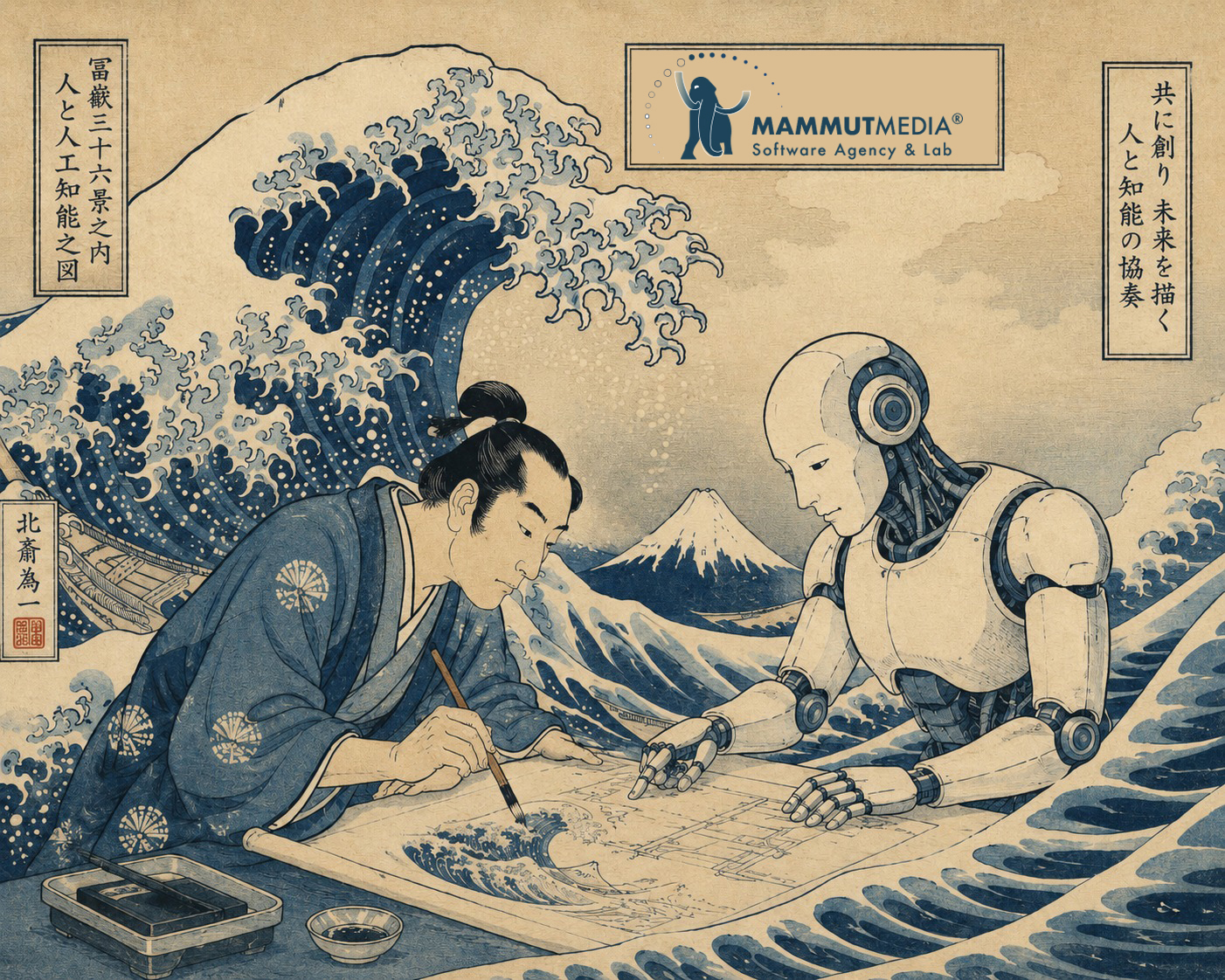 The future of software development has already begun.